Above Ground Pool Covers
Welcome to the Above Ground Pool Covers section at Pool Warehouse! Choosing the right pool cover is crucial for protecting your investment, extending the lifespan of your pool, and ensuring a cleaner, safer swimming environment. Whether you're looking for a winter cover to shield your pool from harsh weather or a solar cover to warm the water and reduce evaporation during the swimming season, we've got you covered (pun intended!). This guide will help you navigate the different types of above ground pool covers, understand their benefits, and select the perfect one for your needs.
Pool Warehouse is your premier source for pool supplies, serving customers nationwide. We understand the unique needs of pool owners in different climates, from the freezing winters of the Northeast to the sunny summers of the Southwest. Our selection reflects this diversity, offering covers built to withstand extreme conditions and maximize energy efficiency.
What is an Above Ground Pool Cover?
An above ground pool cover is a protective barrier designed to fit over your pool, preventing debris, leaves, and other contaminants from entering the water. It also helps retain heat and reduce water evaporation, which can save you money on energy and chemical costs. Pool covers are available in various materials, sizes, and shapes to accommodate different pool dimensions and environmental conditions.
Types of Above Ground Pool Covers
There are several types of above ground pool covers, each with its own set of advantages and disadvantages. Here’s a breakdown:
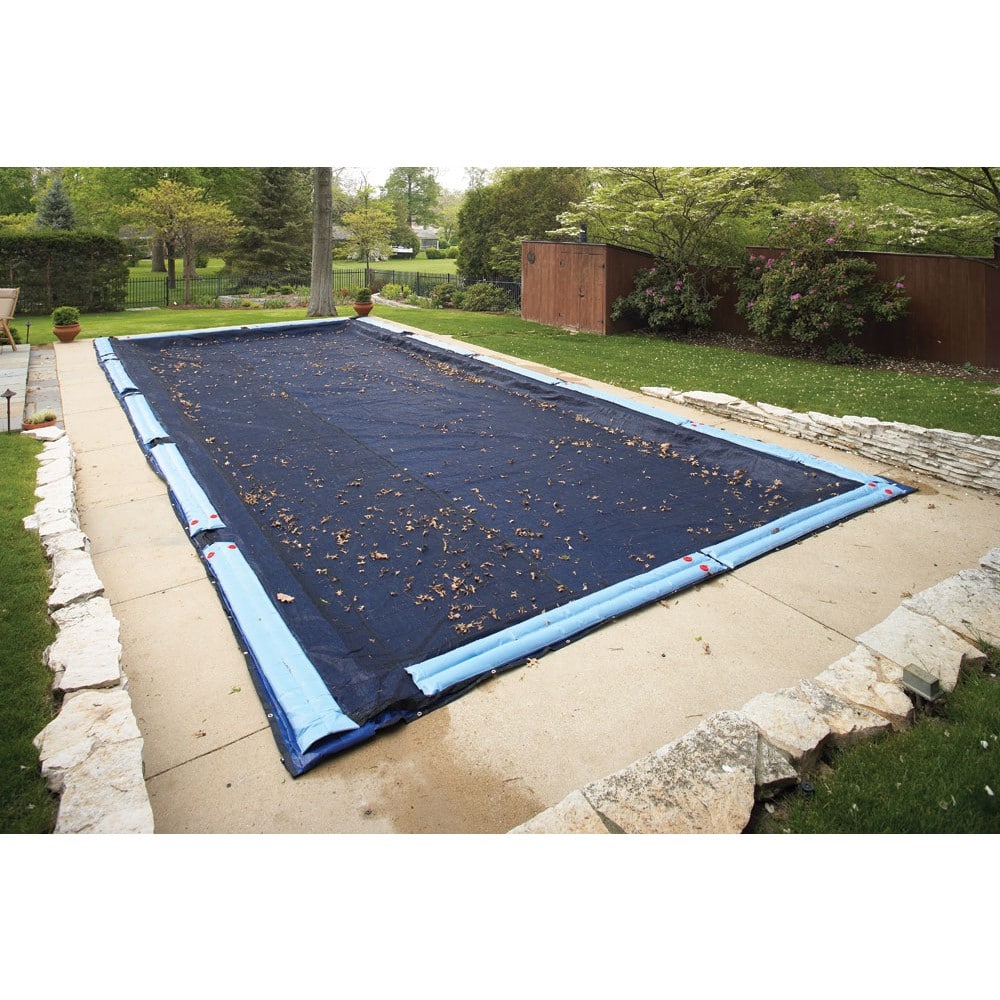
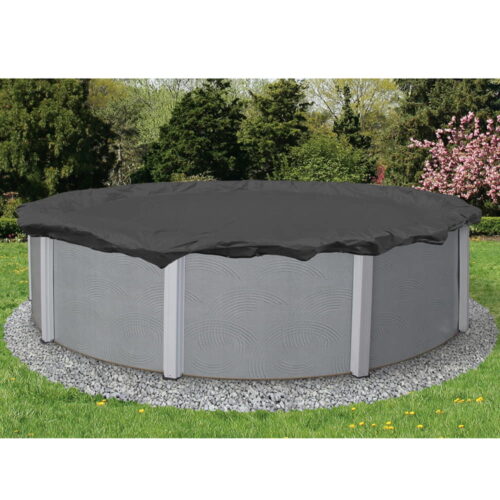
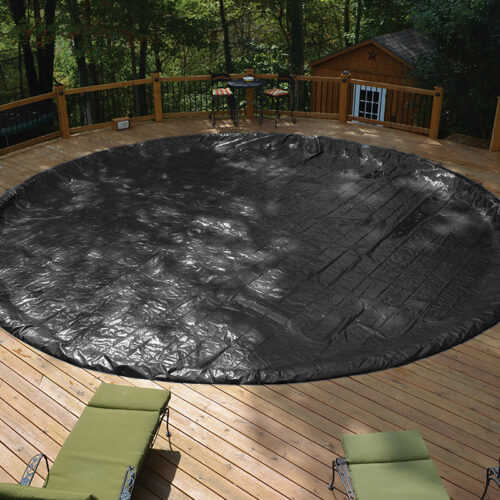
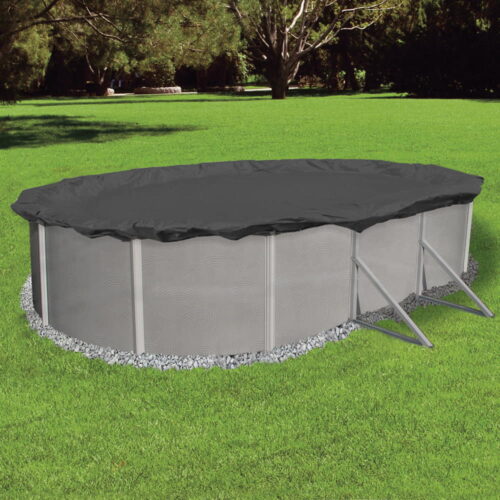
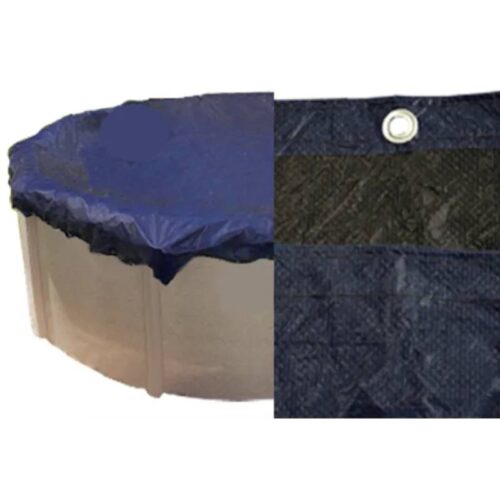
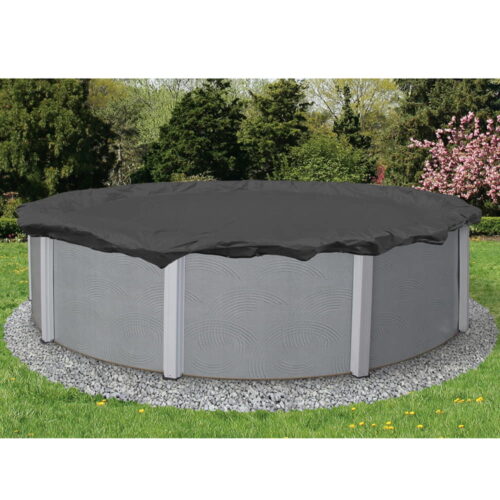
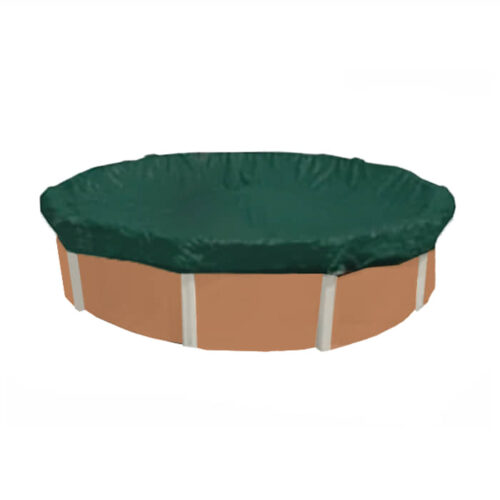
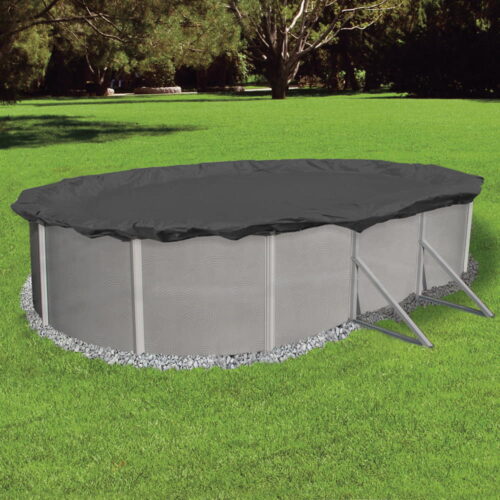
- Winter Pool Covers: These covers are designed to withstand heavy snow, ice, and freezing temperatures. They are typically made from a durable, tightly woven polyethylene material.
- Solar Pool Covers (Solar Blankets): These covers are designed to trap heat from the sun and warm your pool water. They are usually made from a lightweight, bubble-like material. They also help reduce water evaporation and chemical loss.
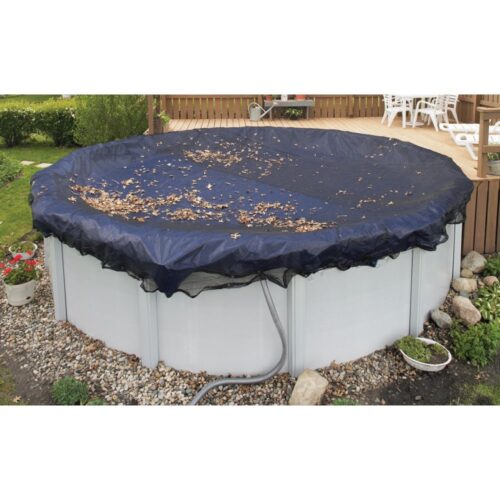
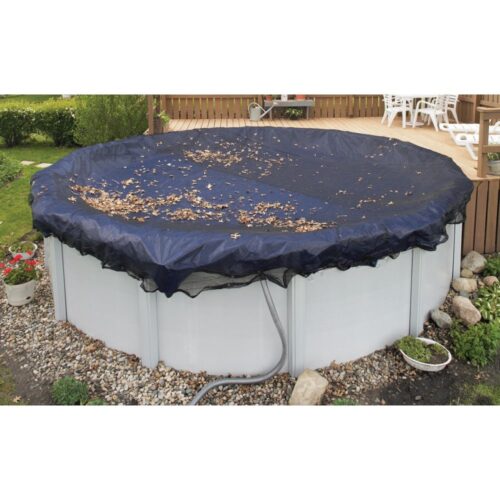
- Leaf Nets: These lightweight covers are placed over your winter cover to catch leaves and debris before they reach the winter cover itself. This makes spring cleanup much easier.
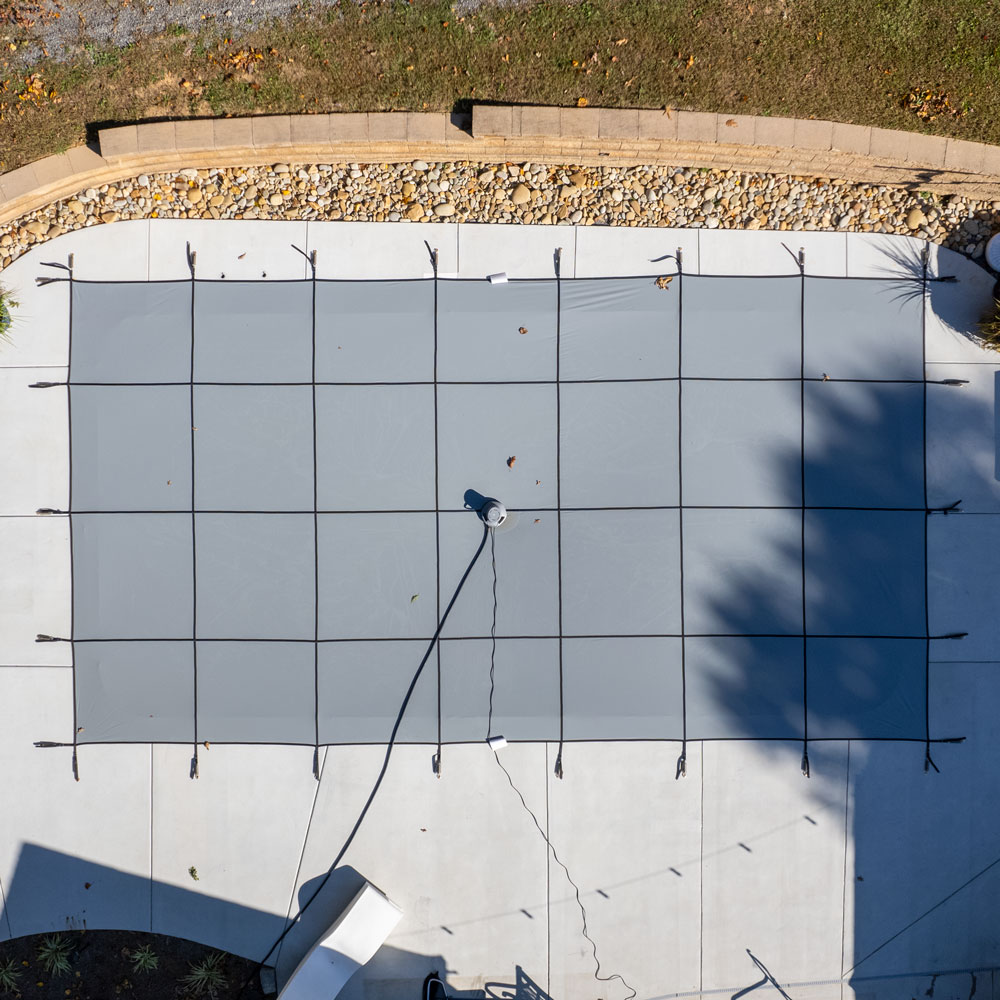
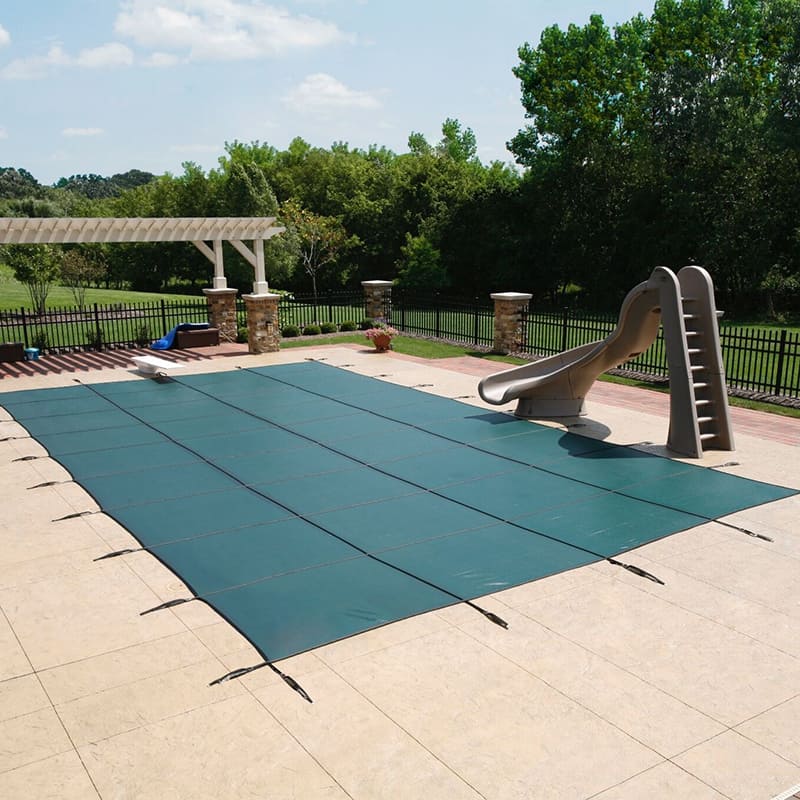
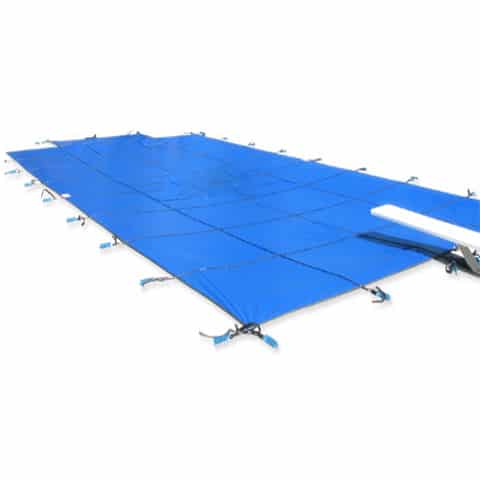
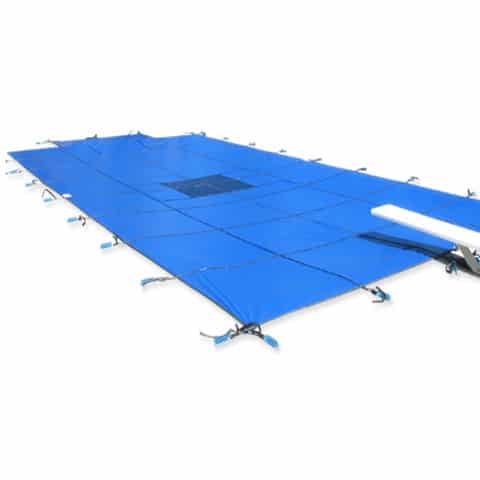
- Safety Pool Covers: While more common for inground pools, some safety covers are designed for above ground pools. These covers are made from strong, durable materials and are anchored to the pool deck, preventing accidental entry into the pool. They are a significant safety feature, especially for homes with children or pets.
How to Choose the Right Above Ground Pool Cover
Selecting the right above ground pool cover depends on several factors:
- Pool Size and Shape: Ensure the cover is the correct size and shape for your pool. Measure your pool accurately and choose a cover that is slightly larger to ensure a proper fit. Common shapes are round, oval and rectangular.
- Climate: Consider your local climate. If you live in an area with harsh winters, you'll need a heavy-duty winter cover. If you're in a warmer climate, a solar cover might be sufficient.
- Material Durability: The material's durability is a critical factor. Look for covers made from high-quality, UV-resistant materials that can withstand the elements.
- Budget: Pool covers range in price, so set a budget before you start shopping. Keep in mind that a higher-quality cover may cost more upfront but will last longer and provide better protection.
- Ease of Installation: Consider how easy the cover is to install and remove. Some covers require special tools or equipment.
- Purpose: Determine the primary purpose of the cover. Is it for winterizing, heating, or preventing debris from entering the pool?
Material Durability Comparisons
Different pool cover materials offer varying levels of durability:
- Polyethylene: This is a common material for winter covers. It's relatively inexpensive and offers good protection against the elements. The thickness and weave density determine its strength and durability. Higher-denier polyethylene covers are more resistant to tears and punctures.
- Vinyl: Vinyl covers are more durable than polyethylene covers and offer excellent protection against UV rays and harsh weather. They are also more resistant to punctures and tears.
- Polypropylene: Often used in safety covers, polypropylene is a very strong and durable material that can withstand significant weight and stress.
- Solar Cover Material (Typically a modified Polyethylene): These covers are more about heat retention than outright durability. They are less resistant to punctures and tears than winter covers. Proper storage when not in use is key to extending their lifespan.
Geo-Specific Considerations for Above Ground Pool Covers
Your geographic location plays a significant role in choosing the right pool cover:
- Freezing Climates (Northeast, Midwest, Mountain States): In areas with harsh winters, a heavy-duty winter cover is essential. Look for covers that are specifically designed to withstand heavy snow and ice accumulation. Consider a cover with a higher denier count and UV protection to prevent damage from the sun's rays. Using a leaf net in the fall can drastically reduce the weight and debris load on your winter cover.
- Warm Climates (Southeast, Southwest): In warmer climates, a solar cover may be sufficient to retain heat and reduce evaporation. However, if you experience occasional freezing temperatures, a lighter winter cover may still be necessary. Consider a cover with UV protection to prevent damage from the sun. Dust and debris can be a significant issue, so look for covers that are easy to clean.
- Areas with High Winds: Regardless of climate, if you live in an area with high winds, ensure your cover is securely fastened to your pool. Consider using a cover with grommets and a cable system to keep it in place. For solar covers, consider a liquid solar blanket as an alternative.
- Coastal Areas: Saltwater can corrode pool covers over time. Choose a cover that is resistant to saltwater damage or rinse it regularly with fresh water.
Installation Tips for Above Ground Pool Covers
Proper installation is crucial for ensuring the effectiveness and longevity of your pool cover:
- Read the Instructions: Always read and follow the manufacturer's instructions for installation.
- Prepare the Pool: Before installing the cover, clean your pool thoroughly. Remove any debris, leaves, or other contaminants.
- Center the Cover: Carefully center the cover over the pool, ensuring it is evenly distributed.
- Secure the Cover: Use the appropriate fastening system (e.g., cable and winch, clips) to secure the cover to the pool. Make sure the cover is taut but not overly stretched.
- Monitor the Cover: Regularly check the cover for any signs of damage or wear. Repair any tears or punctures promptly.
- Use Cover Accessories: Consider using cover accessories such as cover pumps to remove excess water from the cover and prevent damage.
Maintenance and Care of Above Ground Pool Covers
Proper maintenance will extend the life of your above ground pool cover:
- Regular Cleaning: Clean your cover regularly to remove debris, leaves, and dirt. Use a soft brush and mild detergent.
- Proper Storage: When not in use, store your cover in a cool, dry place. Fold it carefully to prevent creases and damage.
- Repair Tears and Punctures: Repair any tears or punctures promptly to prevent them from spreading. Use a patching kit specifically designed for pool covers.
- Use a Cover Pump: A cover pump is essential for removing excess water from your winter cover, preventing strain and potential damage.
At Pool Warehouse, we are committed to providing you with the best above ground pool covers and accessories to meet your needs. Browse our selection today and find the perfect cover to protect your pool and enhance your swimming experience. Contact our customer service team if you have any questions or need assistance choosing the right cover for your pool.