




Pool Pumps: Find the Perfect Pump for Your Pool at Pool Warehouse
Welcome to Pool Warehouse's comprehensive guide to pool pumps! Your pool pump is the heart of your pool's circulation system, responsible for filtering water, distributing chemicals, and keeping your pool clean and healthy. Choosing the right pump is crucial for energy efficiency, water quality, and overall pool maintenance. This guide will walk you through everything you need to know to select, install, and maintain the perfect pool pump for your needs.
At Pool Warehouse, we offer a wide selection of pool pumps from top brands, ensuring you'll find the perfect fit for your inground or above-ground pool. Shop our collection today and experience the difference a quality pool pump can make!
What is a Pool Pump and Why is it Important?
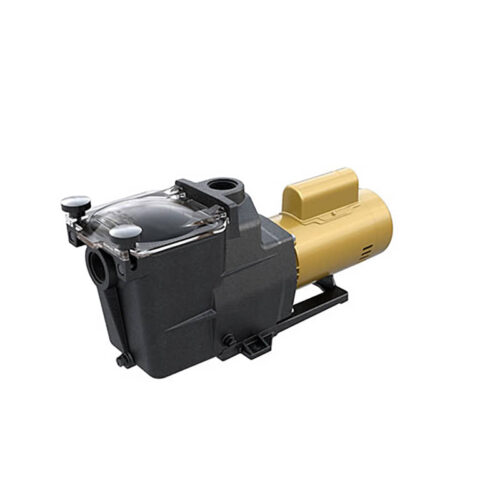
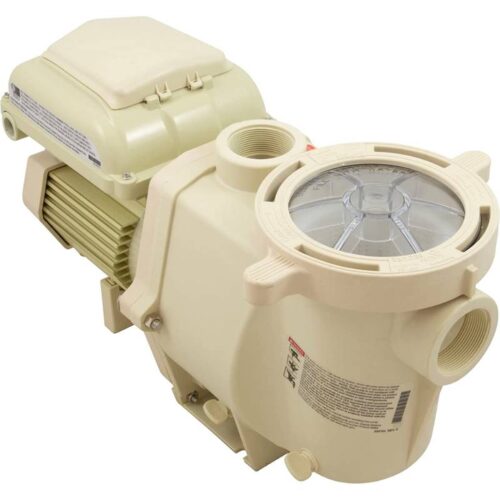
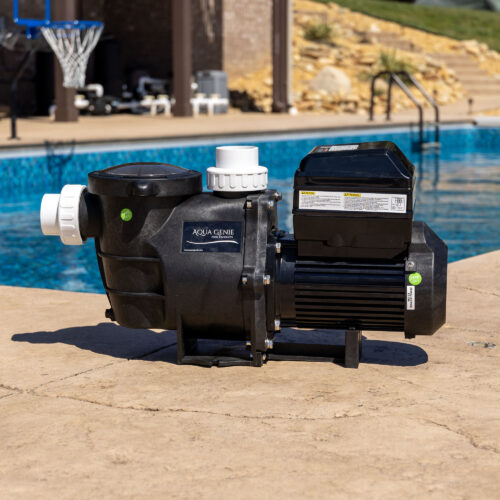
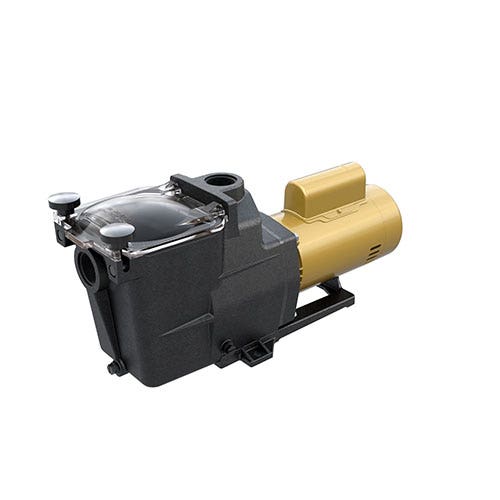
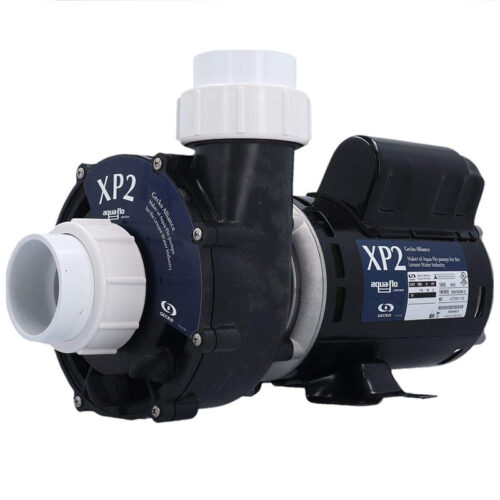
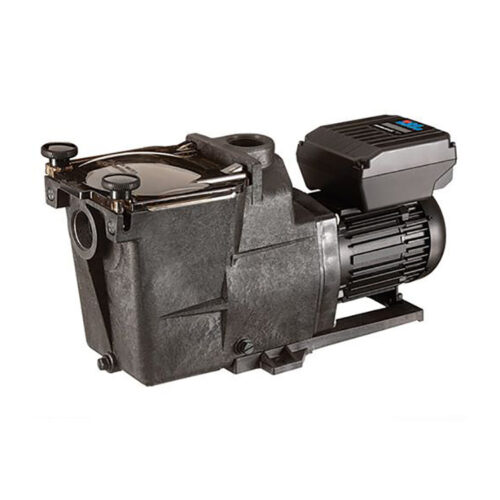
A pool pump is a mechanical device that circulates water throughout your pool system. It draws water from the pool, pushes it through the filter to remove debris, sends it through a heater (if applicable), and then returns the clean, filtered water back to the pool. Without a properly functioning pool pump, your pool water would quickly become stagnant, cloudy, and unsafe for swimming.
- Circulation: Prevents algae growth and keeps water clean.
- Filtration: Removes dirt, leaves, and other debris.
- Chemical Distribution: Ensures even distribution of sanitizers and other chemicals.
- Heating (if applicable): Distributes heated water throughout the pool.
Types of Pool Pumps: Which One is Right for You?
There are several types of pool pumps available, each with its own advantages and disadvantages. Understanding the differences will help you make an informed decision.
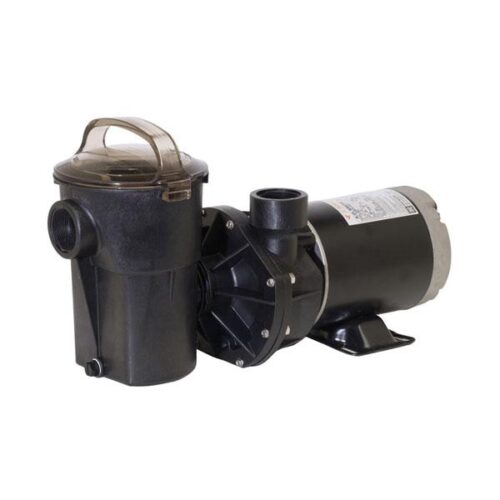
- Single-Speed Pumps: Traditional pumps that operate at a constant speed. They are typically less expensive upfront but can be less energy-efficient. These are often the least expensive to purchase but the most expensive to run.
- Two-Speed Pumps: Offer two speed settings (high and low). Running at a lower speed can save energy and reduce noise. These pumps are better than single speed in overall efficiency.
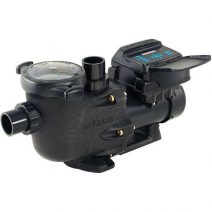
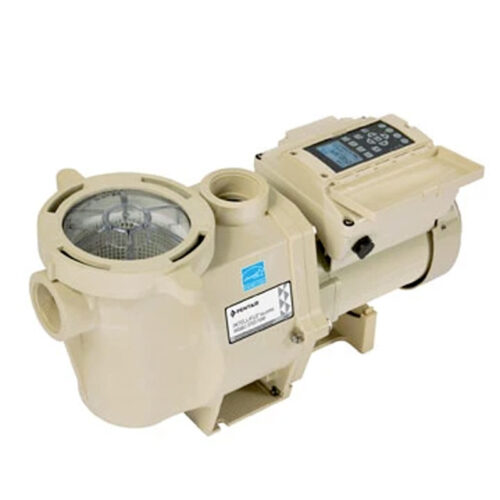
- Variable-Speed Pumps: The most energy-efficient option, allowing you to adjust the pump speed to match the specific needs of your pool. Many utility companies offer rebates for installing variable-speed pumps. These are the top choice in overall efficiency and quietness of operation.
- Above Ground Pool Pumps: Designed specifically for smaller above-ground pools, these pumps are typically less powerful and more compact.
- Inground Pool Pumps: More powerful and durable pumps designed for larger inground pools with more complex plumbing systems.
How to Choose the Right Pool Pump: A Step-by-Step Guide
Selecting the right pool pump involves considering several factors, including pool size, plumbing, and energy efficiency goals.
- Determine Your Pool Size: Calculate the volume of your pool in gallons. This will help you determine the required flow rate (gallons per minute or GPM).
- Consider Your Plumbing: The size and length of your pool's plumbing will affect the pump's performance.
- Calculate Total Dynamic Head (TDH): TDH is the total resistance to flow in your pool's plumbing system. Consult a pool professional to accurately calculate TDH.
- Choose the Right Horsepower (HP): Select a pump with the appropriate horsepower to achieve the desired flow rate based on your pool size and TDH.
- Prioritize Energy Efficiency: Consider a variable-speed pump to save on energy costs. Look for pumps with the ENERGY STAR label.
- Evaluate Features: Consider features such as self-priming capabilities, leaf traps, and digital controls.
Pool Pump Installation Tips
Proper installation is crucial for the longevity and performance of your pool pump. While professional installation is recommended, here are some general tips:
- Read the Manufacturer's Instructions: Always follow the manufacturer's instructions carefully.
- Install on a Level Surface: Ensure the pump is installed on a level, stable surface to prevent vibration and damage.
- Proper Plumbing Connections: Use the correct fittings and sealant to ensure watertight connections.
- Electrical Connections: Follow all electrical codes and safety precautions. If you are not comfortable working with electricity, hire a qualified electrician.
- Prime the Pump: Before starting the pump, prime it by filling the pump basket with water.
Pool Pump Maintenance and Troubleshooting
Regular maintenance will extend the life of your pool pump and prevent costly repairs.
- Clean the Pump Basket Regularly: Remove leaves and debris from the pump basket to maintain optimal flow.
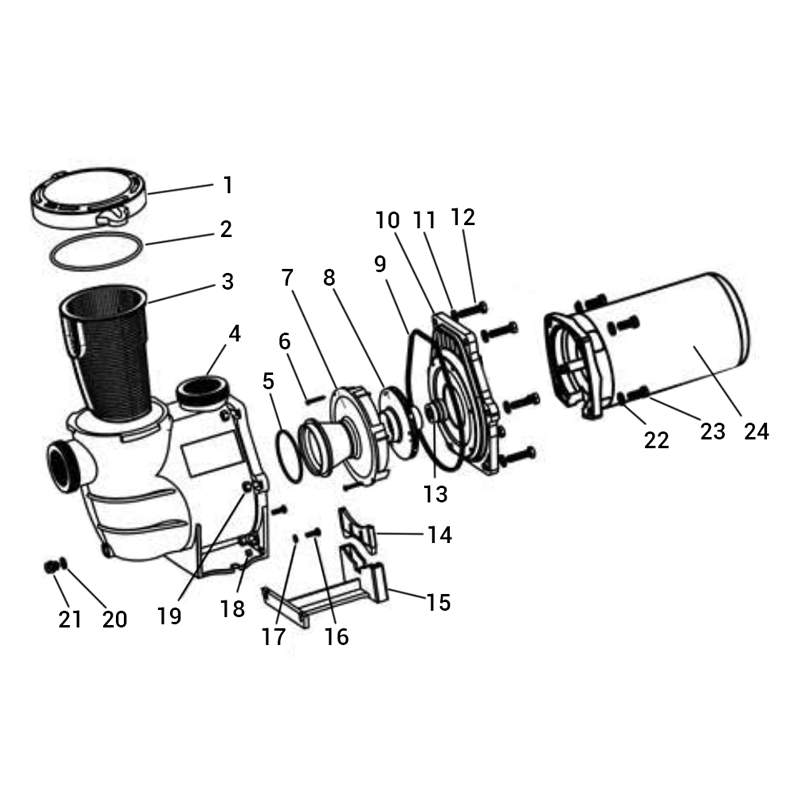
- Inspect Seals and O-Rings: Check for leaks and replace worn seals and o-rings.
- Monitor Water Chemistry: Maintain proper water chemistry to prevent corrosion and scale buildup.
- Check for Unusual Noises: Investigate any unusual noises coming from the pump, as they could indicate a problem.
- Winterize Your Pump (in Freezing Climates): In areas with freezing temperatures, drain the pump and protect it from the cold to prevent damage.
Geo-Specific Considerations: Choosing the Right Pump for Your Climate
Your local climate can significantly impact your pool pump selection. Here's what to consider:
- Freezing Climates: In areas with freezing temperatures, choose a pump that can be easily drained and winterized. Look for pumps with freeze protection features. Proper winterization is key to avoid cracked housings and impeller damage.
- Warm Climates: In warmer climates, consider a variable-speed pump to save energy and reduce operating costs. Algae growth is more prevalent in warm climates, so efficient circulation is crucial.
- Areas with High Electricity Costs: Variable-speed pumps are highly recommended to minimize energy consumption and save money on electricity bills. Explore local utility rebates and incentives.
Pool Pump Materials: Durability Comparison
Pool pumps are typically made from a variety of materials, each offering different levels of durability and resistance to corrosion.
- Thermoplastic: A common and affordable material used for pump housings and impellers. Thermoplastic is resistant to corrosion and chemicals but can be susceptible to damage from extreme temperatures.
- Fiberglass-Reinforced Plastic: Offers increased strength and durability compared to thermoplastic. Fiberglass-reinforced plastic is more resistant to cracking and impact damage.
- Cast Iron: Durable and long-lasting, cast iron is often used for pump housings in high-performance pumps. Cast iron is more resistant to heat and pressure but can be susceptible to corrosion if not properly treated.
- Stainless Steel: Used for pump components that require high strength and corrosion resistance. Stainless steel is ideal for applications where the pump is exposed to harsh chemicals or saltwater.
Common Pool Pump Problems and Solutions
Even with proper maintenance, pool pumps can sometimes experience problems. Here are some common issues and how to address them:
- Pump Not Priming: Check for air leaks in the plumbing, clean the pump basket, and ensure the water level is sufficient.
- Pump is Noisy: Inspect the pump for loose parts, worn bearings, or cavitation.
- Low Water Flow: Clean the filter, check for obstructions in the plumbing, and ensure the pump is properly sized for your pool.
- Pump Leaking: Replace worn seals and o-rings, tighten loose connections, and inspect the pump housing for cracks.
- Pump Overheating: Ensure adequate ventilation, check for obstructions in the impeller, and verify the motor is not overloaded.
Shop Pool Pumps at Pool Warehouse
At Pool Warehouse, we are committed to providing our customers with the highest quality pool pumps at competitive prices. Browse our extensive selection and find the perfect pump for your pool today! We offer expert advice and support to help you make the right choice.
Contact us today for assistance in selecting the perfect pool pump for your needs! Our knowledgeable staff is ready to help you.